Food Security & Livelihood
Food today. Independence tomorrow.
Hunger is both a crisis and a symptom.
For many families, the challenge is not only a lack of food today — but the loss of the means to provide for themselves tomorrow. IMRelief addresses both realities, delivering immediate food assistance while rebuilding the foundations for long-term independence.
The Dual Challenge
Two problems. One response.
Food insecurity is not a single issue — it is the result of both urgent need and long-term disruption.
Most humanitarian responses treat food aid and livelihood support as separate programs. IMRelief treats them as interconnected, because emergency food assistance that does not restore economic self-reliance only defers the problem.
- Food Security addresses the immediate crisis: families who do not have enough to eat today and cannot survive without support.
- Livelihood addresses the underlying cause: families who could sustain themselves if they had income, assets, or access to markets — but have lost them due to conflict, displacement, or economic collapse.
Both are essential. Neither alone is sufficient.


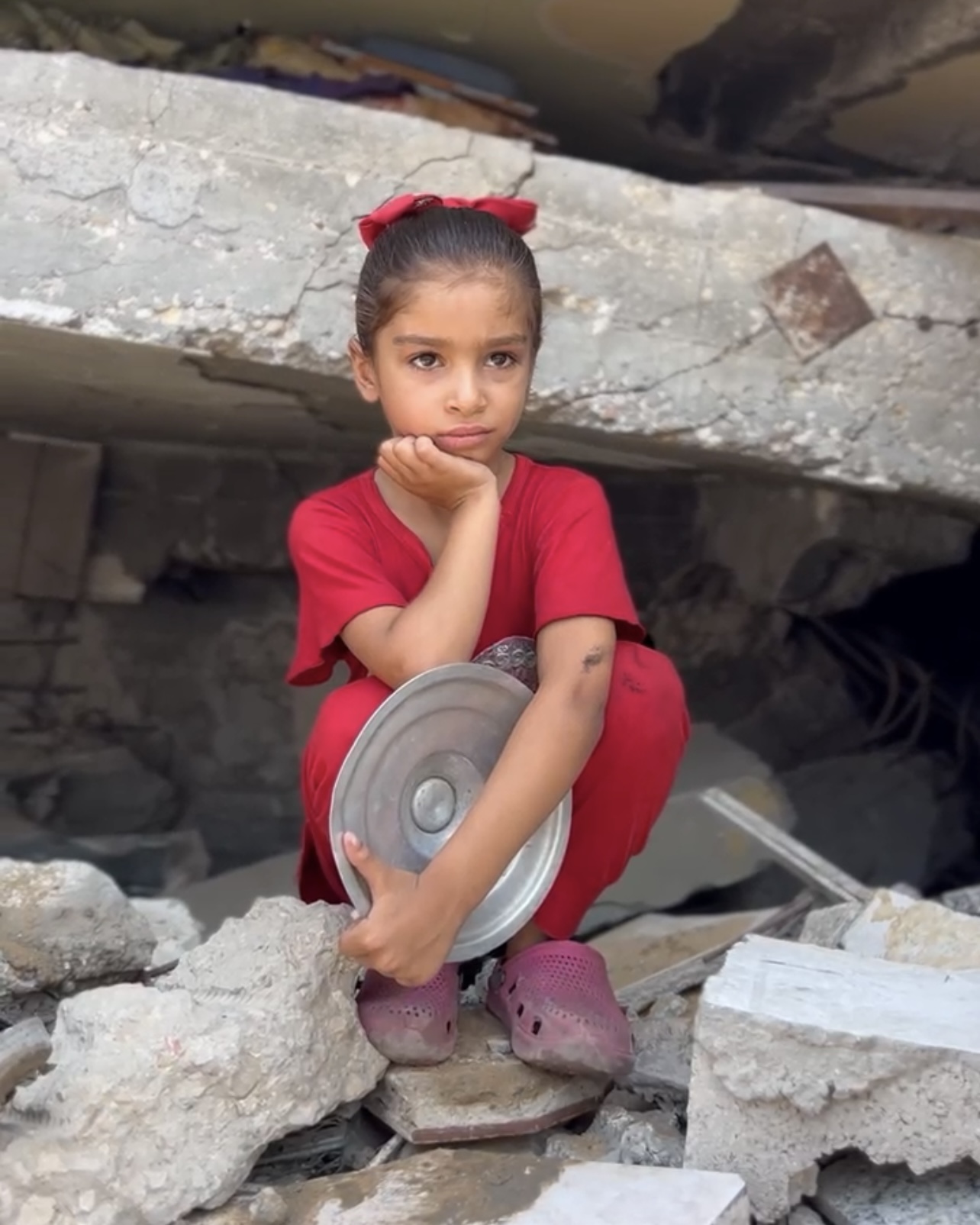
Food Security
Reaching the hungry now.
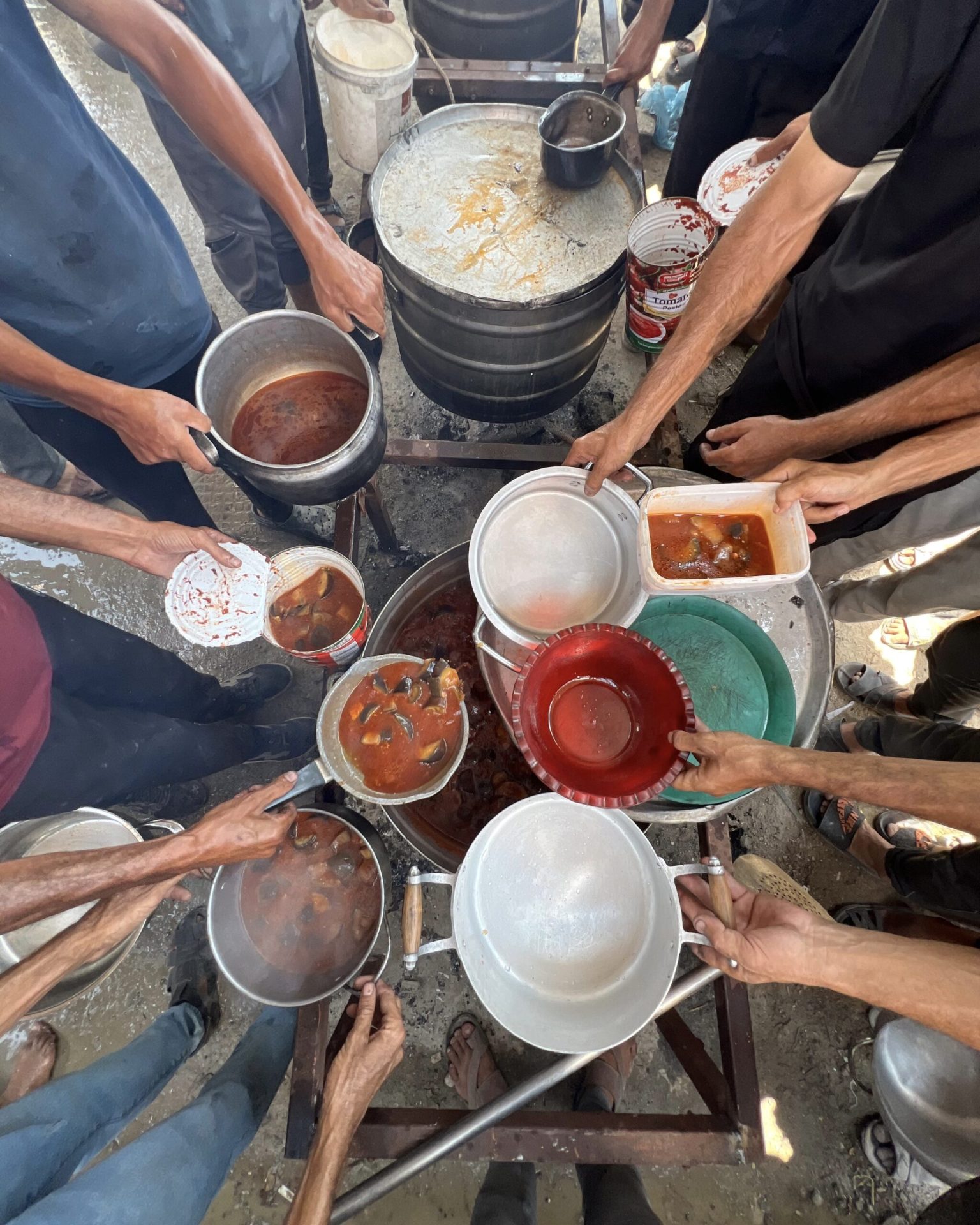
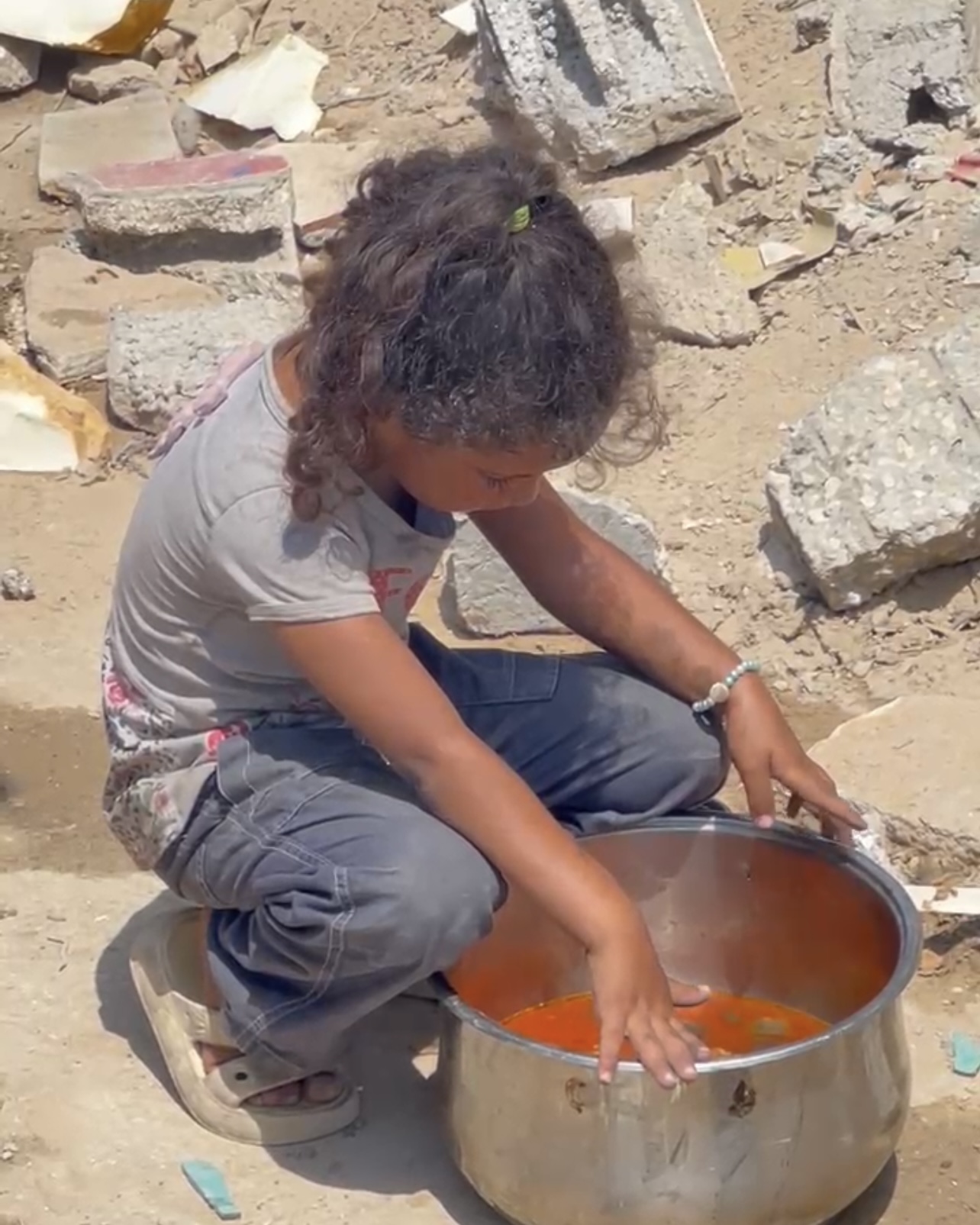
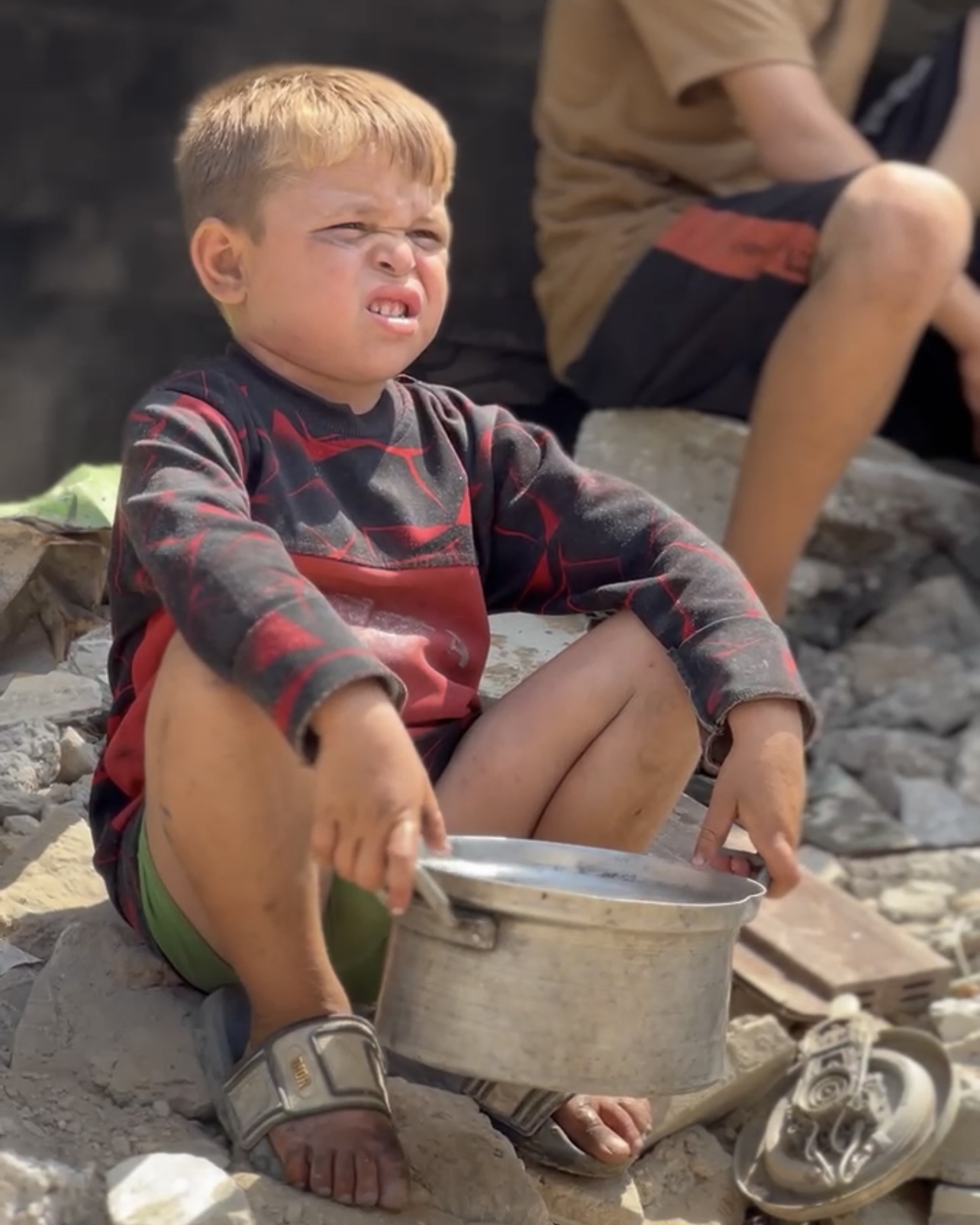
Emergency Food Distribution
Providing immediate access to food for vulnerable families.
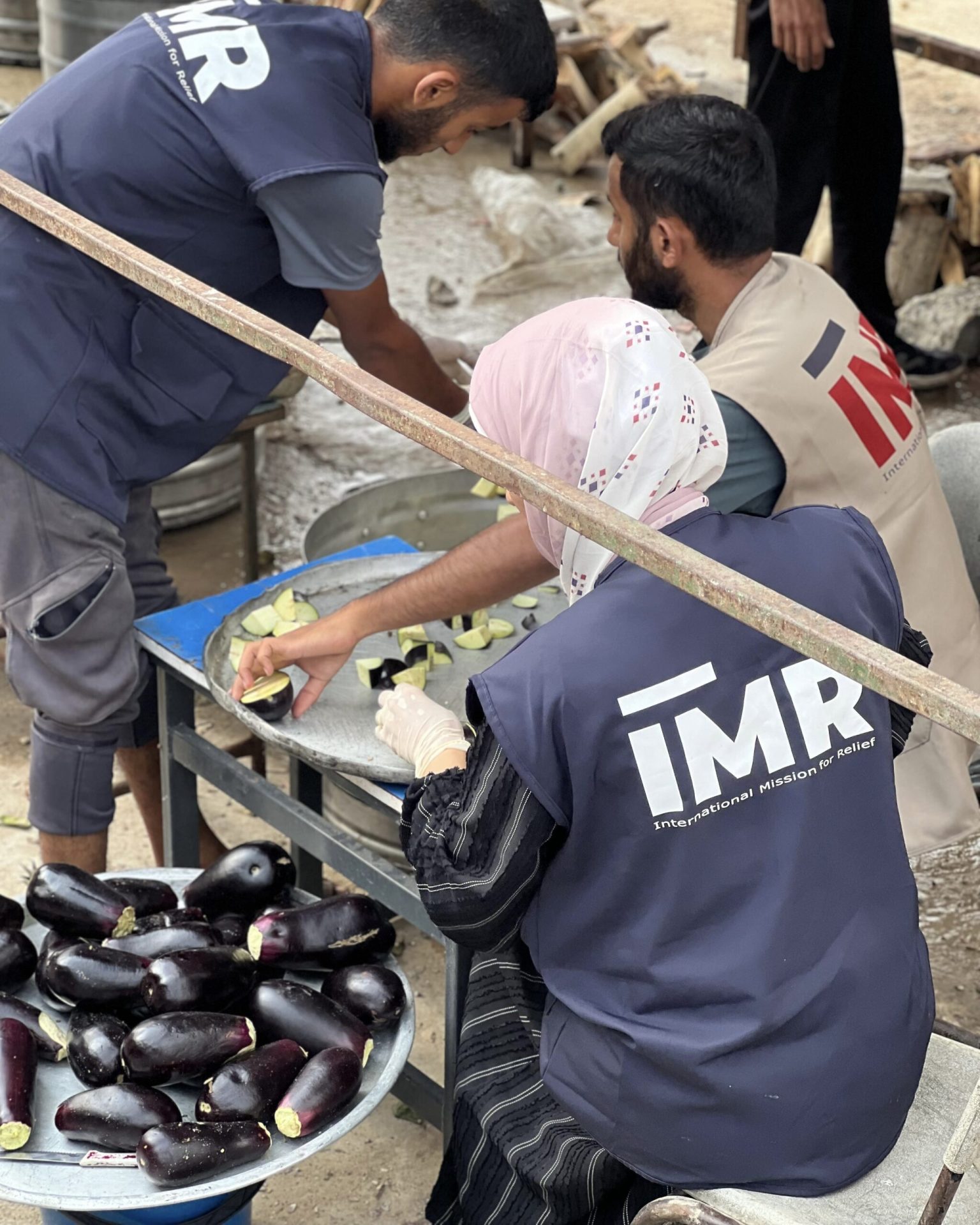
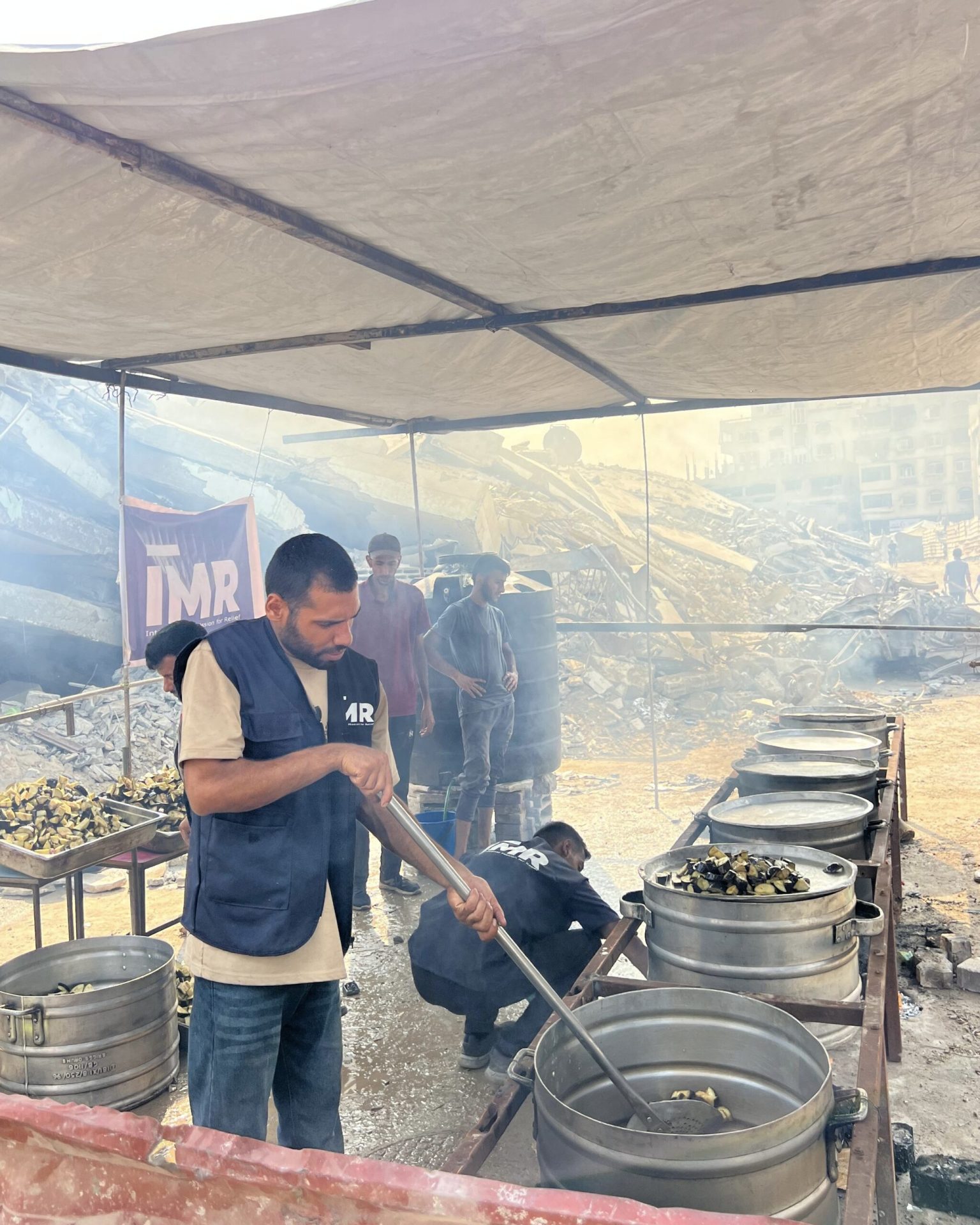
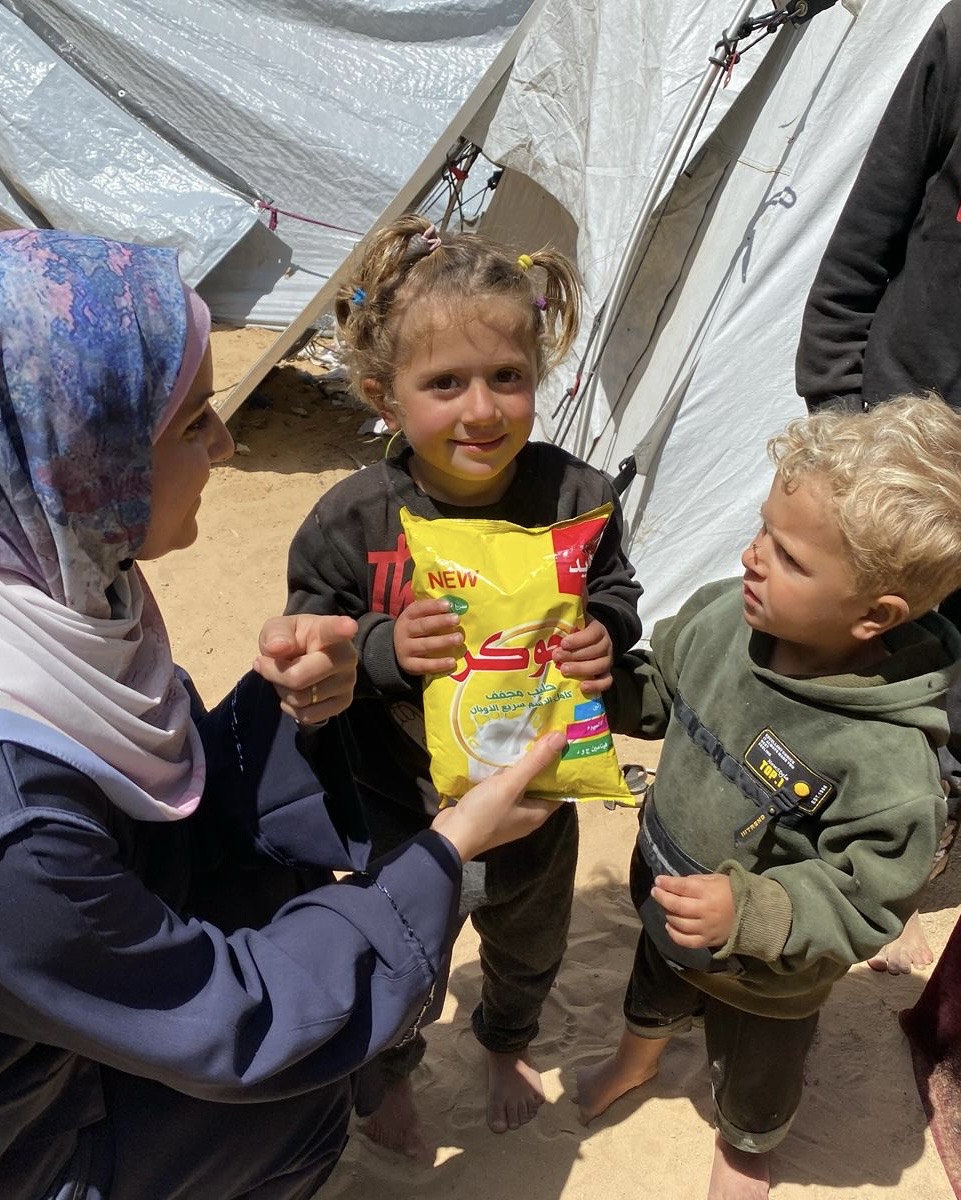
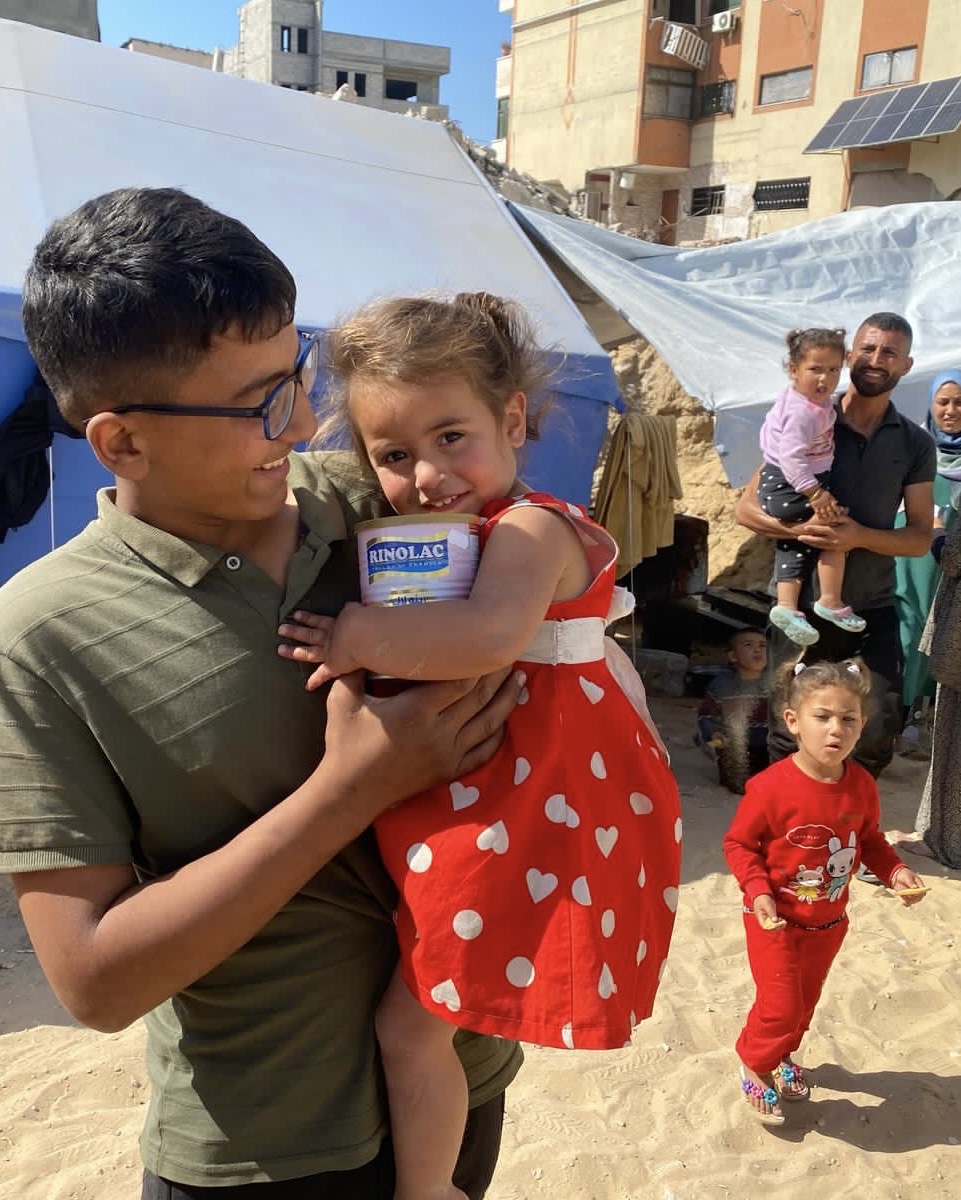
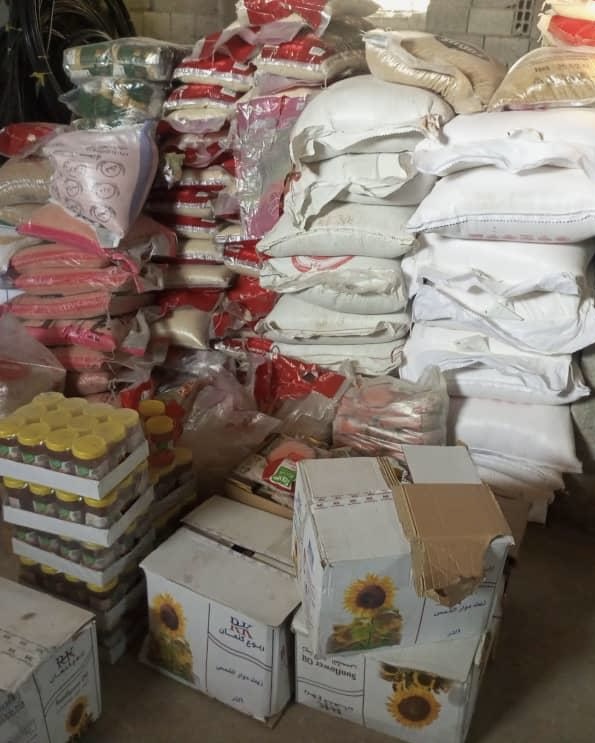
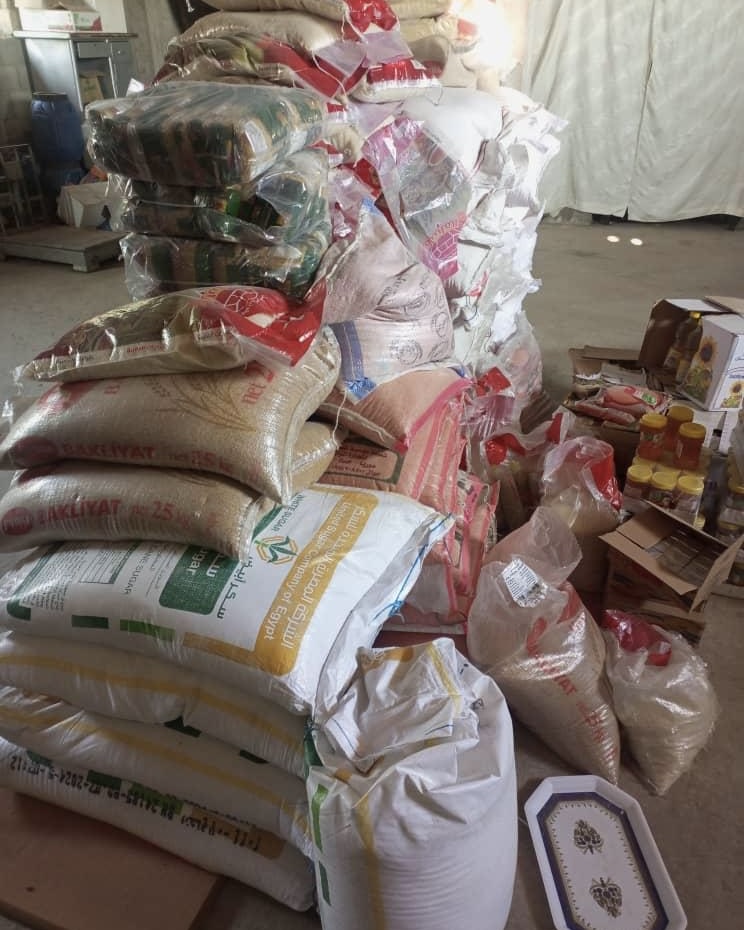
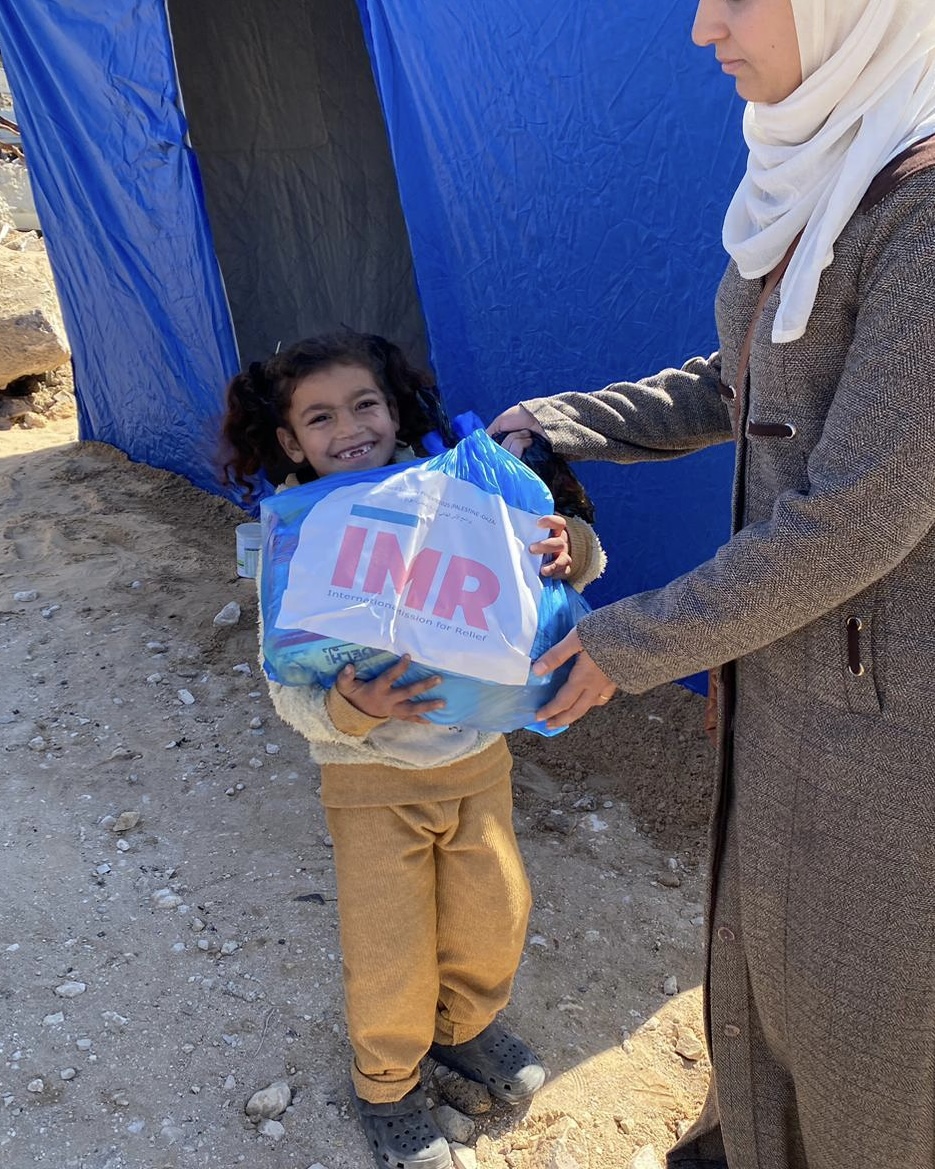
IMRelief delivers food parcels to displaced and crisis-affected households — prioritizing families with children under five, pregnant and nursing mothers, elderly individuals, and households without a stable source of income.
- Nutritionally balanced food packages
- Culturally appropriate items
- Locally sourced where possible
Locally sourced food carries added value: it reaches families faster, supports local farmers and suppliers, and preserves dignity through familiar, culturally relevant food.


Infant & Maternal Nutrition
Protecting the most critical stage of life.
The first 1,000 days of a child’s life — from conception to age two — represent the most critical window for nutritional development. Malnutrition during this period can cause lasting physical and cognitive harm.
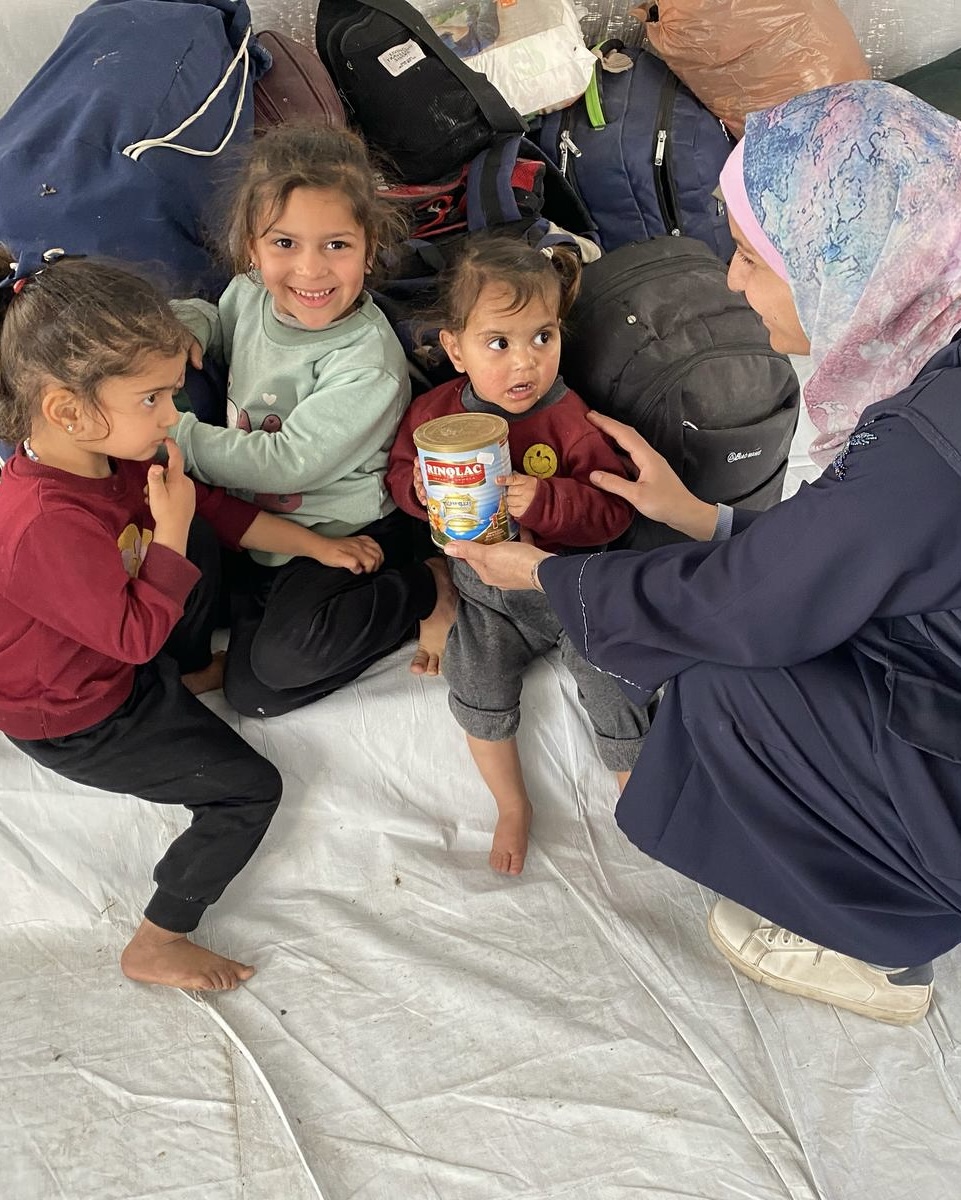
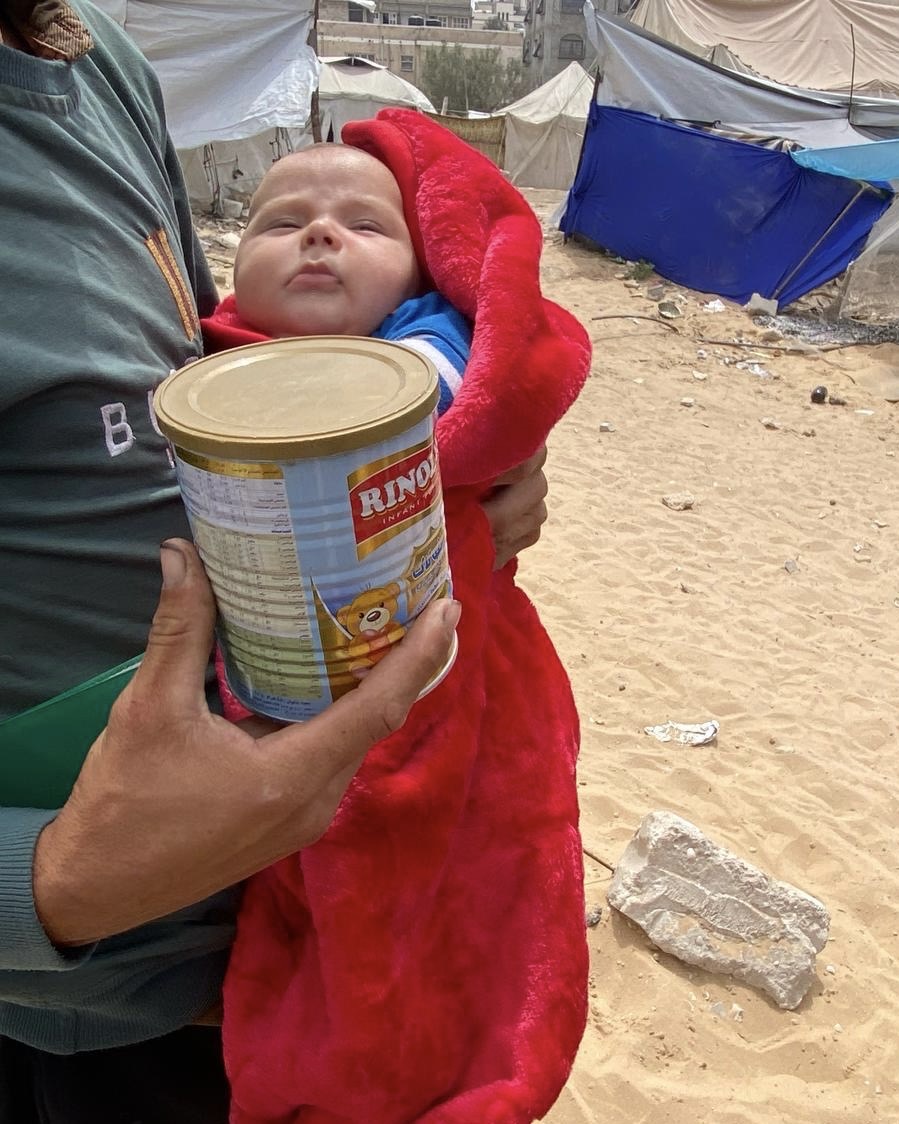
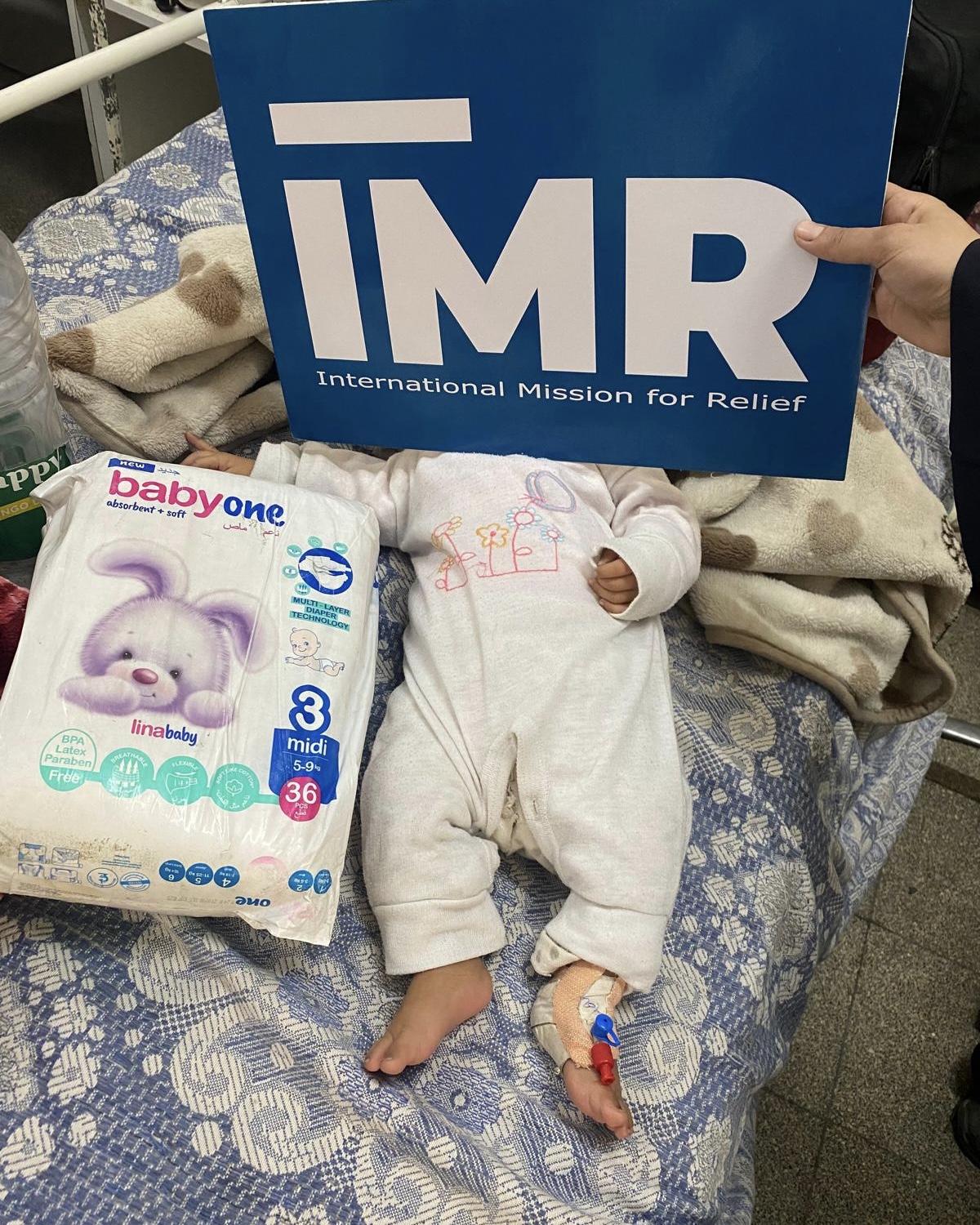
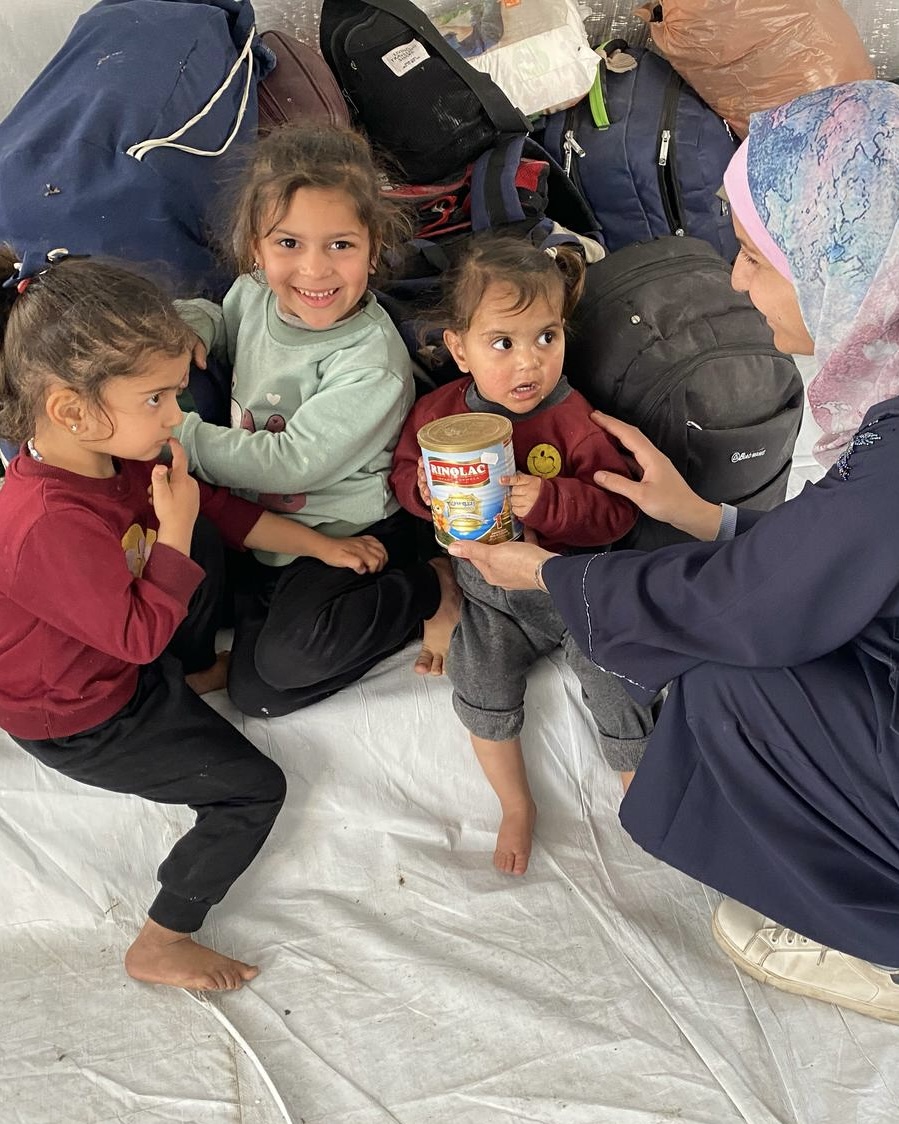
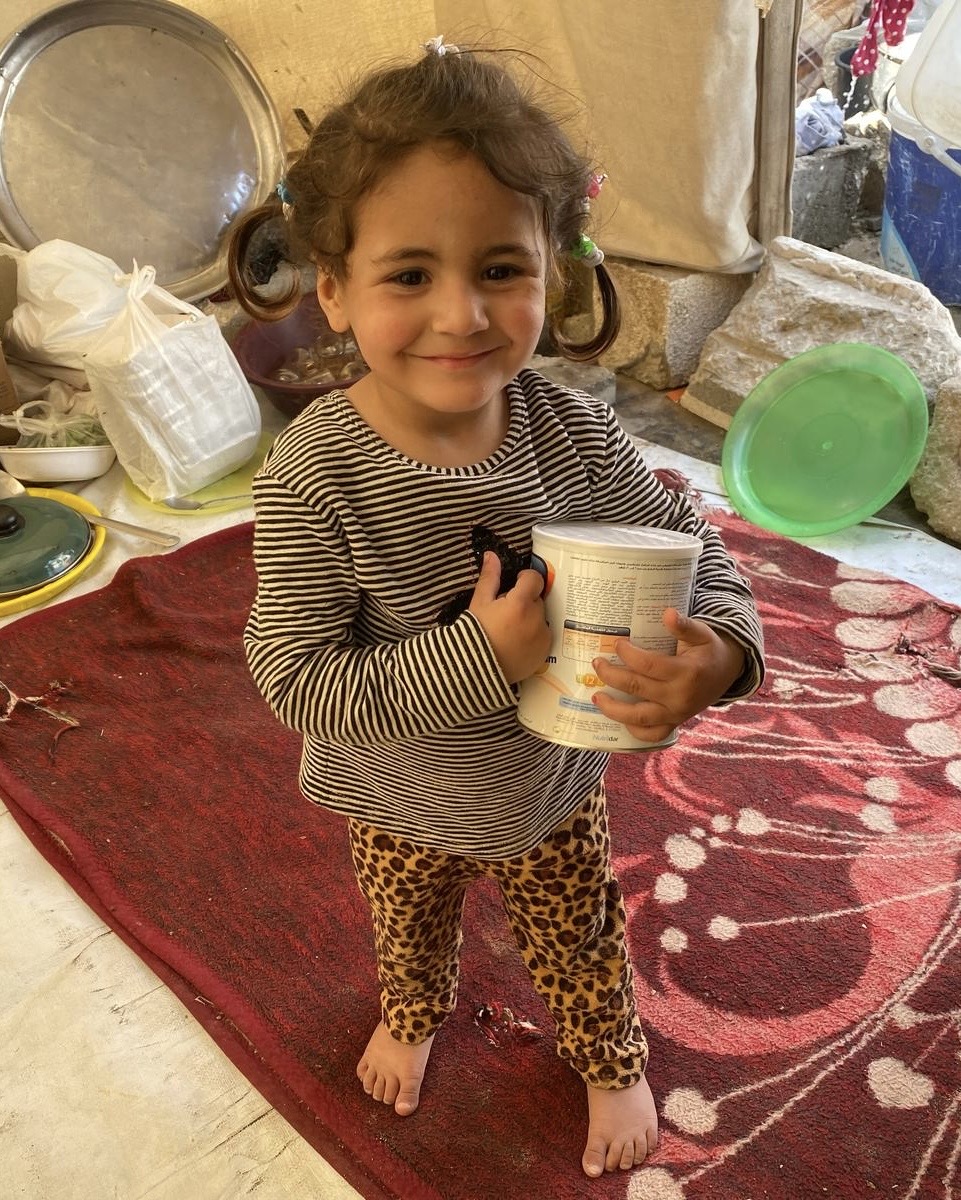
IMRelief provides targeted nutrition support for pregnant and nursing mothers and infants — ensuring access to essential nutrients when intervention has the greatest long-term impact.


Cash & Voucher Assistance
Supporting access through choice and dignity.
Where local markets are functioning, cash and voucher assistance can be more effective than in-kind food distribution.
- Enables families to purchase the food their children will actually eat
- Supports local vendors and farmers
- Reduces logistical constraints
- Preserves dignity and autonomy
All programs are guided by market assessments to ensure that assistance supports — rather than disrupts — local food systems.


Livelihood
Building the capacity to feed tomorrow.
Income Generation & Economic Support
Restoring pathways to self-reliance.
Displacement and conflict strip families of their livelihoods — removing access to income, tools, and markets.
IMRelief supports livelihood recovery through:
- Small business grants
- Productive asset transfers
- Income-generating activities
These interventions help families rebuild sustainable sources of income and reduce long-term dependence on aid.


From Relief to Resilience
IMRelief connects immediate food assistance with long-term livelihood support — ensuring that families can meet urgent needs while rebuilding their capacity to provide for themselves.
The Impact
Addressing food security and livelihood together creates a more sustainable path forward.
Families are able to meet immediate needs while strengthening their ability to sustain themselves — reducing vulnerability and building long-term resilience.
Take Action
Help provide food today — and support independence for tomorrow.